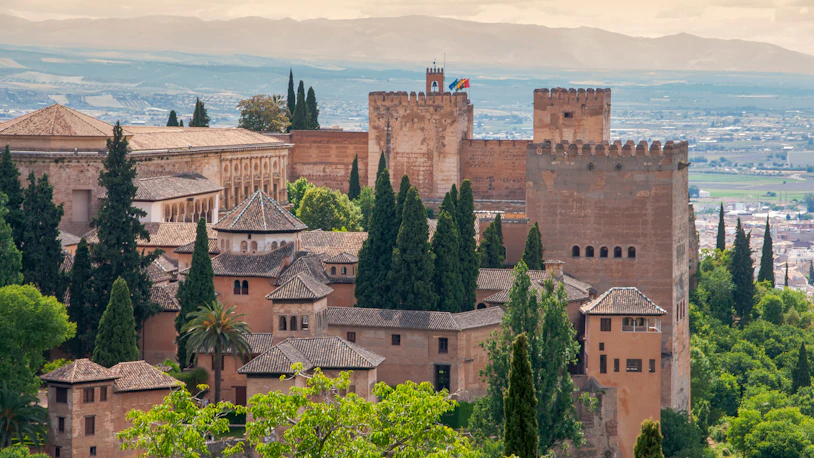
Visiting The Alcazaba in Alhambra, Granada
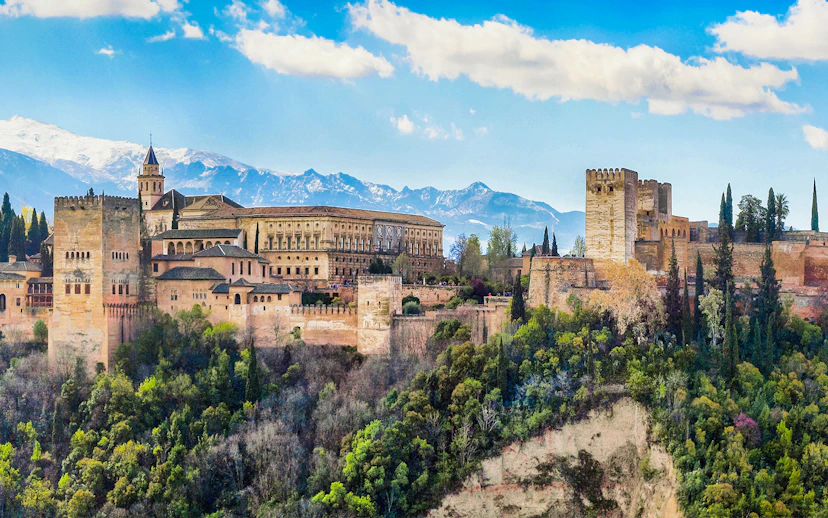
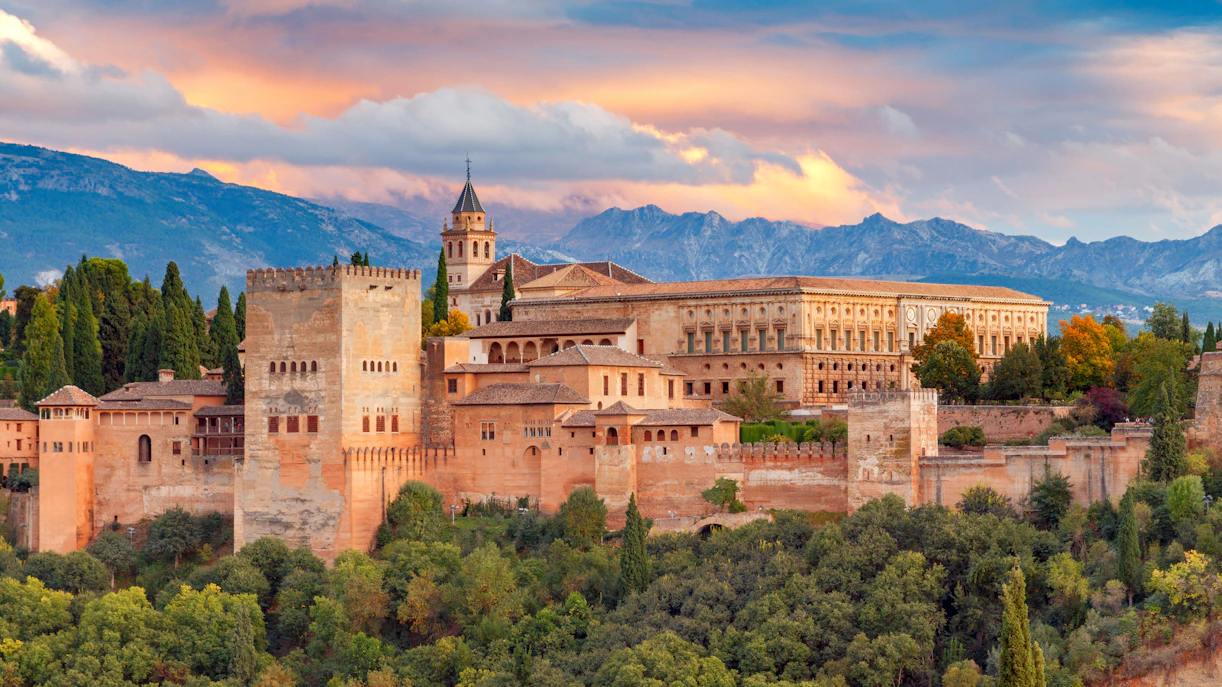
Best described as the military area within the Alhambra, Alcazaba is the oldest part of the fortress. During your trip to Alcazaba, walk to the top of the watchtower for unmatched views of Plaza Nueva, the Albaicín, and the Sierra Nevada mountains beyond. Apart from the watchtower, the Alcazaba holds the Bucket Tower, the Arms Square, the urban military district, the terrace of the Arms Gate and the Ramparts' garden. The Alcazaba played an instrumental role in Andalusian history and a visit to this fortress will help you better understand the culture of Granada.
History
- •The Alcazaba is located at the western tip of the Sabika hill in Granada, serving as a historic defensive position from the 9th century onward.
- •Initially fortified, it evolved during the first Taifas period in the 11th century, becoming part of a local Zirid kingdom centered in Granada.
- •In 1238, under Ibn al-Ahmar (Muhammad I), Granada became the capital of a new emirate, leading to the founding of a new citadel on Sabika hill.
- •The Alcazaba, built over earlier Zirid fortress foundations, is now the oldest surviving part of the Alhambra palace complex.
- •In 1492, the Catholic Monarchs conquered Granada, raising the flag of Castile over the Torre de la Vela in the Alcazaba.
- •Spanish modifications in the 16th century fortified the fortress against gunpowder artillery.
- •In the early 20th century, archaeological excavations and restoration work were conducted to preserve the Alcazaba's heritage.
Highlights
Puerta de las Armas
The building features a striking door that has functioned as the primary access to the Alhambra since the 14th century from the San Pedro forest. Situated on the outer perimeter wall of the Alcazaba, this gate facilitated the passage of troops, supplies, and visitors between the city and the interior of the Alhambra complex.
Torre del Homenaje
Standing as the tallest tower, the Torre del Homenaje served as the keep and military command post. Its terrace provided commanding views, allowing for visual signals to be sent across the area. The tower's five floors housed various chambers, including the residence of the commander of the Alhambra's guards.
Torre de la Vela
One of the most recognizable features of the Alcazaba, Torre de la Vela is famous for its flags and bell tower. During the time of the Catholic Monarchs, the tower used to function as the living quarters of the bell ringers. Presently, 4 flags are hosted on the tower: the Andalusian flag, the Grenadian flag, the European flag, and the Spanish flag.
Plaza de las Armas
Adjacent to the Puerta de las Armas lies the Plaza de las Armas, or Arms Square, a spacious area within the Alcazaba where military activities and gatherings took place. Serving as a focal point for training exercises, military drills, and ceremonial events.
Plaza de Los Aljibes
The Plaza de Los Aljibes lies in the trench between the Alcazaba and the palaces. The name is derived from the cisterns that were constructed in the square at the end of the 15th century. Throughout its storied past, it has served as a cultural hub where musicians, poets, and scholars once gathered.
Jardín de los Adarves
Originally a defensive rampart, it evolved into a tranquil recreational garden during the 16th century. The gardens feature a central seating area and two exquisite fountains. The first fountain, dating back to around 1628, boasts intricate carvings of genies riding dolphins.
Visitor Tips
Visit the Fountains
Explore the Plaza de los Aljibes and Jardín de los Adarves to see the beautiful fountains carved with intricate designs.
Learn About Military History
Gain insight into the military history of the Alcazaba by exploring areas where military exercises once took place.
Take in the Views
Climb to the top of the Torre de la Vela for panoramic views of Granada and the surrounding countryside.
Explore Hidden Passageways
Keep an eye out for hidden passageways and tunnels as you explore the Alcazaba.
Engage with Guides
If you have questions or want to learn more, don't hesitate to engage with guides or staff members onsite.
Respect the Heritage
Remember to respect the heritage by following posted rules, refraining from touching historic structures, and disposing of trash properly.
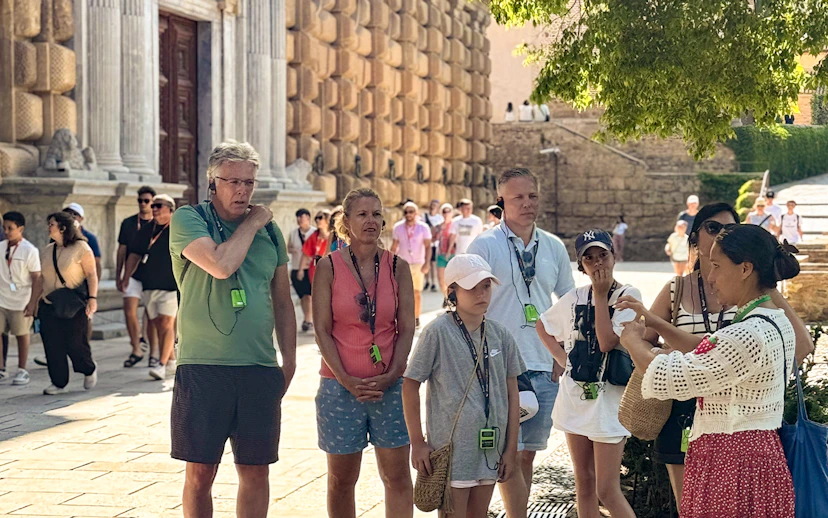
Take Guided Tours
Consider joining a guided tour to gain deeper insights into the history and significance of the Alcazaba.
Verified Tickets
Official tickets with guaranteed entry
Flexible Booking
Free cancellation on select tickets
24/7 Support
Get help anytime, anywhere
Frequently Asked Questions
The Alcazaba is the oldest part of the Alhambra palace complex in Granada, Spain. It served as a military fortress and stronghold for the Muslim rulers of the region.
The Alcazaba was built in the 9th century during the Moorish period of Al-Andalus. It underwent expansions and renovations in subsequent centuries.
Visitors can explore its defensive walls, towers, and battlements, as well as archaeological remains of military structures. Highlights include the Torre del Homenaje (Tower of Homage) and Torre de la Vela (Watch Tower).
A typical visit may take around 1 to 2 hours, allowing time to explore the fortress and enjoy the views.
Yes, guided tours are available and can provide valuable insights and enhance the visitor experience.
Yes, photography for personal use is generally allowed, but flash photography and tripods may be restricted in certain areas.
The early morning or late afternoon tend to be less crowded, allowing for a more peaceful experience.
Some areas may be challenging due to uneven terrain and staircases, however there are accessible routes and facilities available.